
Murrumbidgee River Habitat Restoration Project
We are excited to announce the launch of the Murrumbidgee River Habitat Restoration Project, an initiative aimed at restoring the health of the Murrumbidgee River and enhancing its ecosystem for native fish species and the broader community.
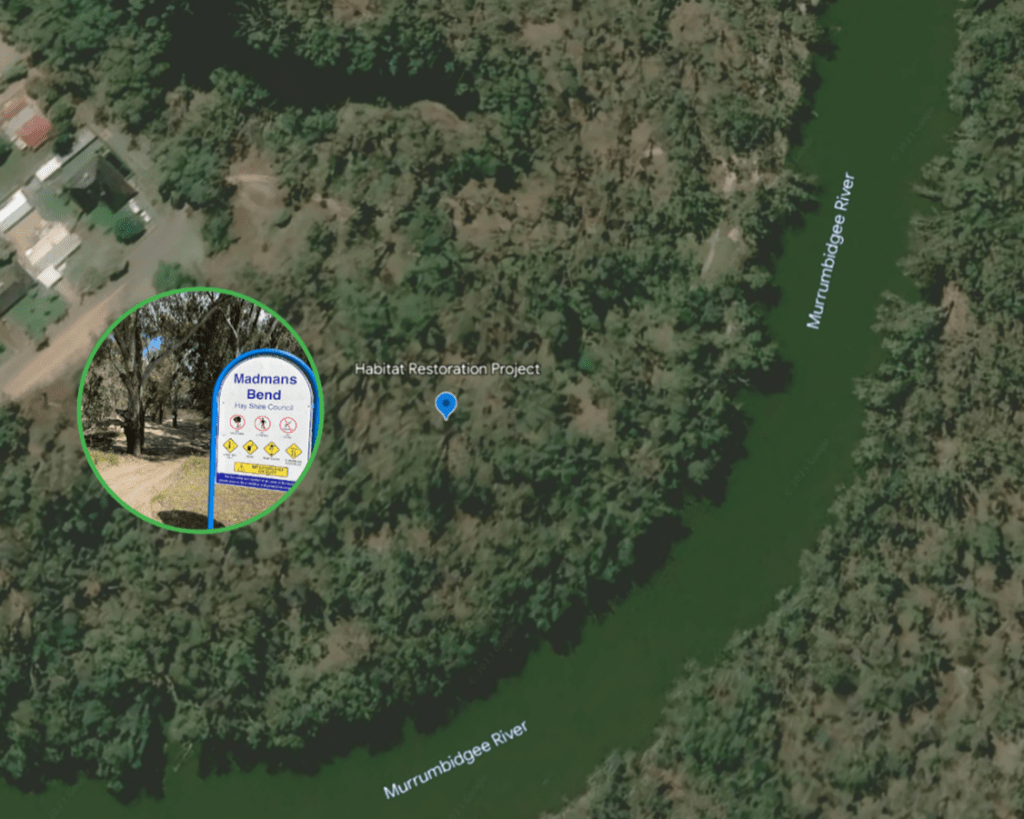
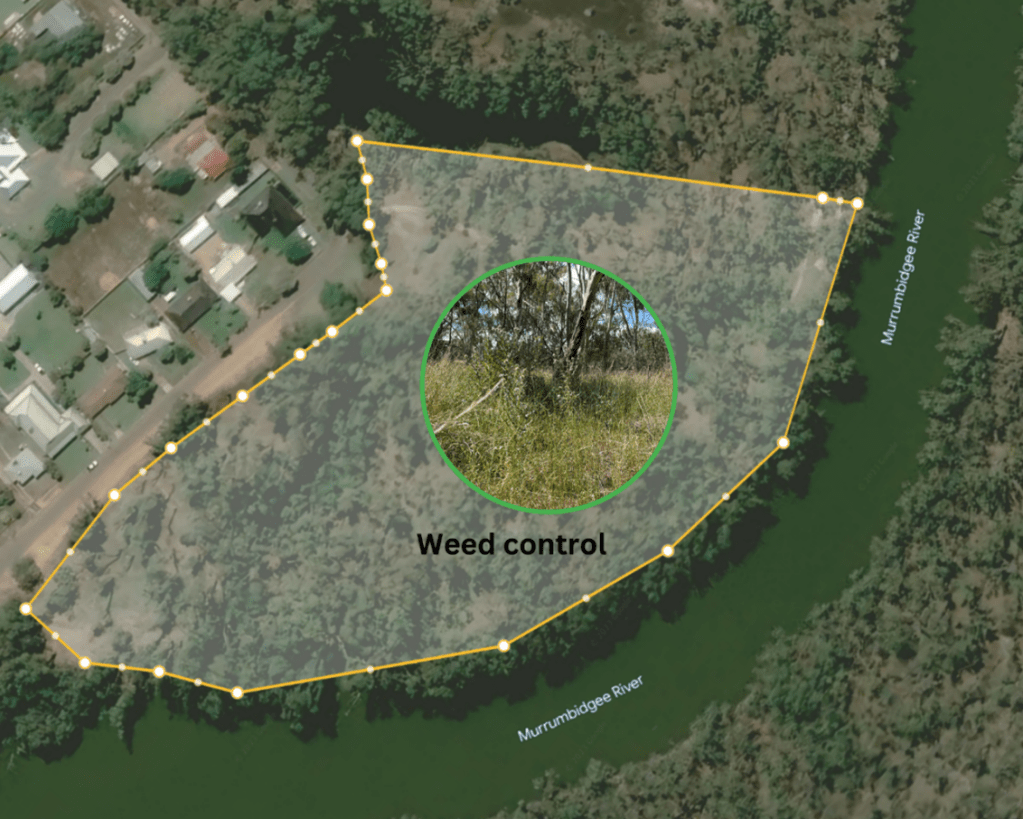


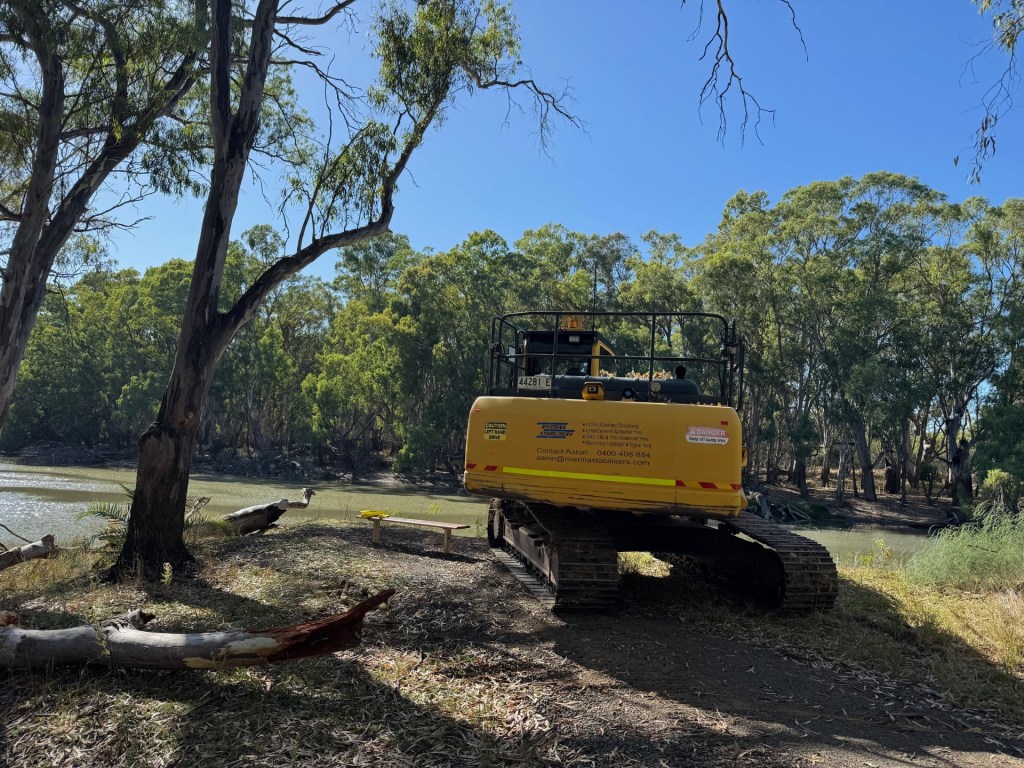
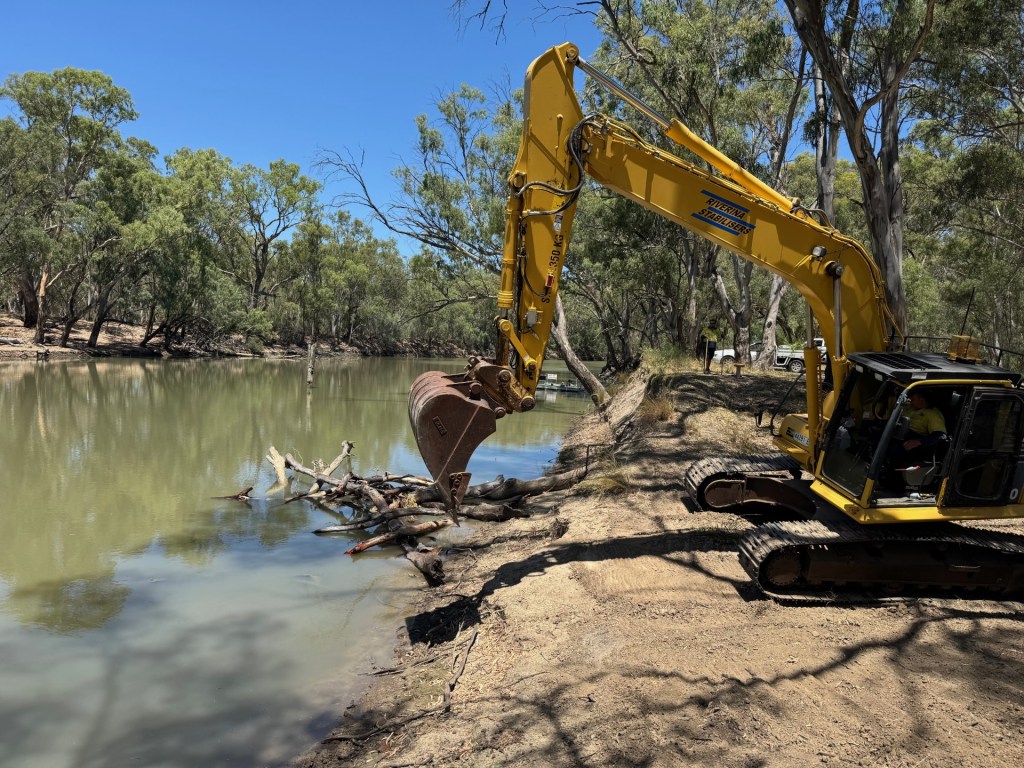
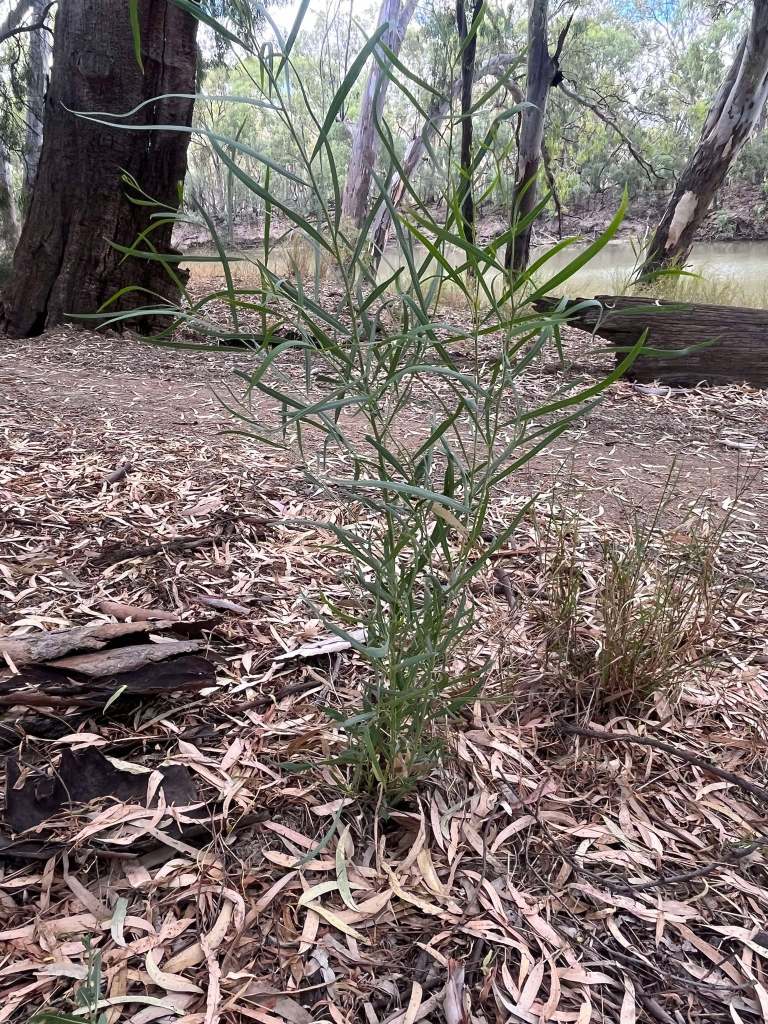
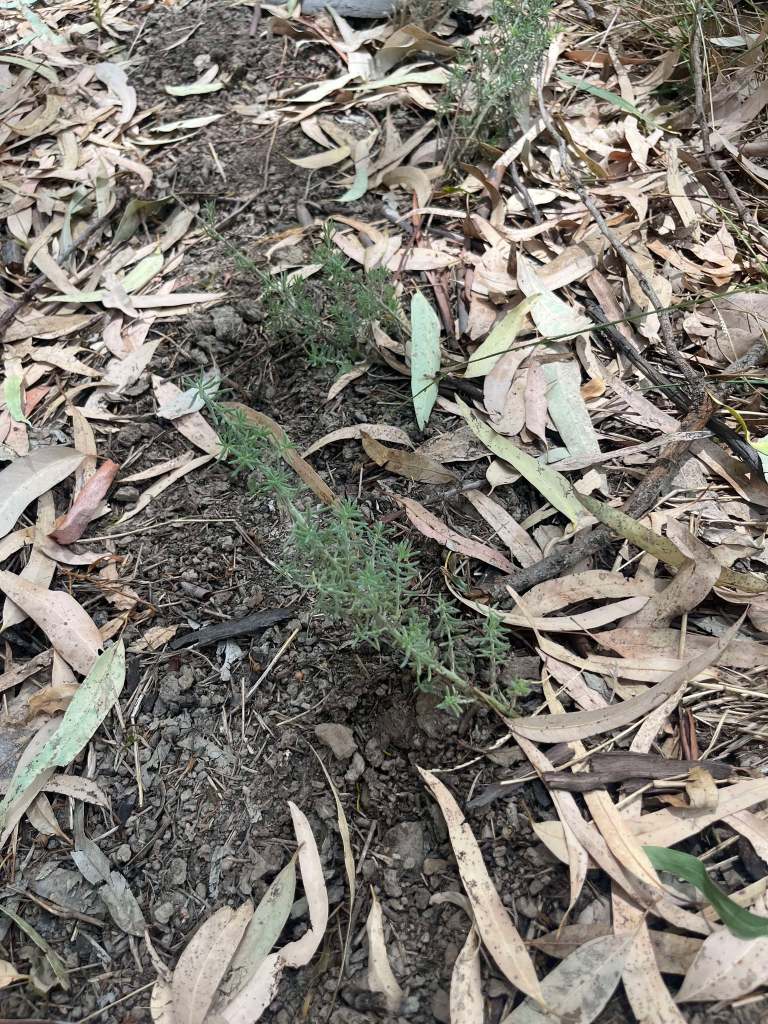
We have successfully installed 15 woody habitats in the river, providing essential shelter, breeding grounds, and food sources for native fish species, contributing to the overall health of the aquatic ecosystem. Additionally, our team has removed exotic plants and planted an impressive 2,539 native trees and shrubs, significantly exceeding our initial target of 1,000. This effort is helping to stabilize the riverbanks, reduce erosion, and create a more diverse and resilient habitat.
This Project has been assisted by Department of Primary Industries and Regional Developments’ Recreational Fishing Trust’s “Habitat Action Grant Program”
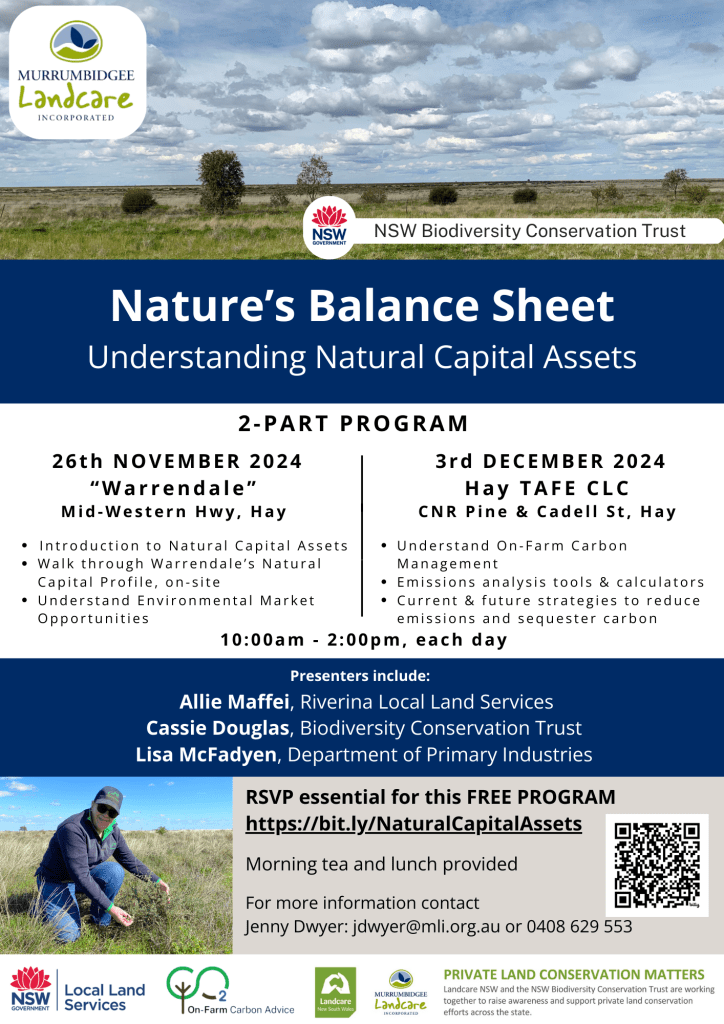
Restoring Native Species & Ecosystems in the Hay Shire Project
PROJECT AIM
To address the environmental challenge facing our community due to diminished native plant and bird species in the Hay landscape.
THE STRATEGY
- Establish a native plant demonstration site and nursery
- A place where the community can access training, knowledge and resources
- Collect endemic native tree and shrub seeds for propagation
- To revegetate landholder rehabilitation sites, travelling stock reserves, crown land and gardens
thus…. rehabilitating native plant and bird species
CORE ACTIVITIES
Demonstration Site & Nursery
- Adjacent to Hay Gaol
- Endemic species
- Bush tucker
- Saltbush way
- Garden species
- 5 site activity events
On-farm revegetation sites
- 10 landholders
- Ecologist
- Observation survey
Seed workshops
- 6 community collection
- 2 propagation
School education
- Petaurus Education Group, Nari Nari Tribal Council, Hay Aboriginal Working Party, National Parks & Wildlife Service
- 3 field trips
- Podcasts
- Video
- 4 cultural workshops

Rare native plant discovered on Hay travelling stock reserve

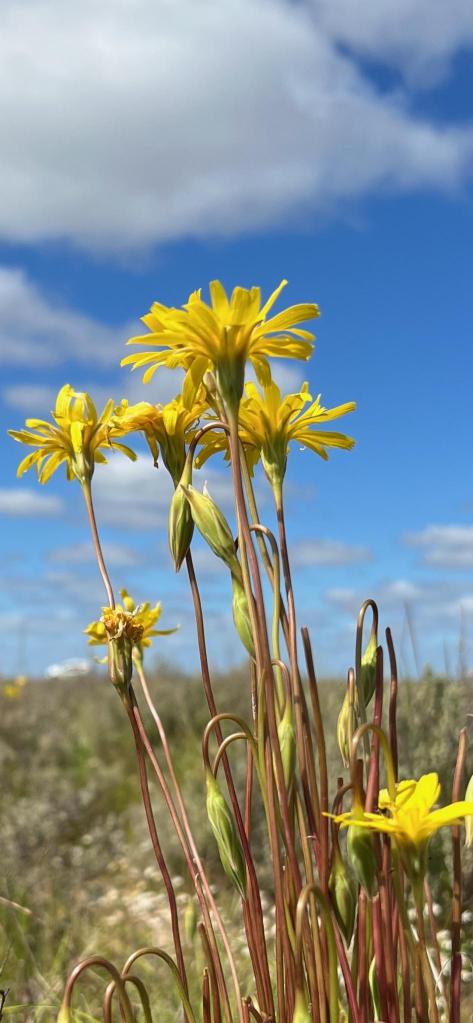
A population of rare native yam daisies has been discovered on a travelling stock reserve (TSR) near Hay, with work underway from Riverina Local Land Services to protect the native plant.
These yam daisies, known as Micoseris walteri, produce edible tuberous roots and yellow flower heads, which look similar to dandelion.
The discovery was made on a TSR north of Hay by Booligal Primary School Principal, Lindy Stewart who is an avid naturalist and photographer.
Riverina Local Land Services Senior Land Services Officer Sally Ware said following this incredible discovery, work has commenced to further investigate and protect the population. “We have quickly collaborated with a range of leading botanists, university scientists and ecologists and are collecting samples as required,” Ms Ware said.
“We are also undertaking photographic work and using drone technology to view sites and ensure the yam daises are not under threat.
“Livestock movements on the TSR are also being diverted away from identified sites and temporary exclusion fencing may be needed to best protect the plants.”
Anecdotal records from the 19th century suggest there were once large stretches of yam daises in grass and shrublands on the Riverina plains.
However, it’s believed little recognition of the plant and historic movements of large amounts of stock in the area would have contributed to their decline in the wild as they are very palatable plants.
Emma Johnston, a proud Wiradjuri woman from Hay, is currently studying Ecosystem and Land management as a school-based trainee with Hay Plains Landcare. Ms Johnston said she is excited the yams are creating more discussion around local native species and their Aboriginal use. “I am excited by the yam discovery and keen to learn more about my culture and the important food that was harvested by my ancestors. Wet seasons must have been more common than they are today,” Ms Johnston said.
Riverina Local Land Services TSR Team Leader Peter Beal said today TSRs play an important role in biodiversity conservation, agricultural production and Aboriginal cultural heritage. “In NSW, TSRs cover more than two million hectares of land and they’re instrumental in connecting otherwise isolated patches of remnant vegetation, which provides opportunities for many native plants to survive and thrive,” Mr Beal said.
“At Local Land Services, we are committed to managing our TSR network in a way that strikes the balance between biodiversity conservation, livestock production, Indigenous conservation, recreation and community priorities.
“This discovery is a great example of that balance in action and by continuing to work collaborative with our wide range of TSR users, we can ensure they will be preserved for generations to come.”
To find out more about TSR management in NSW visit http://www.lls.nsw.gov.au or contact your closest Local Land Services office by calling 1300 795 299.


Hay Landcare Project Manager
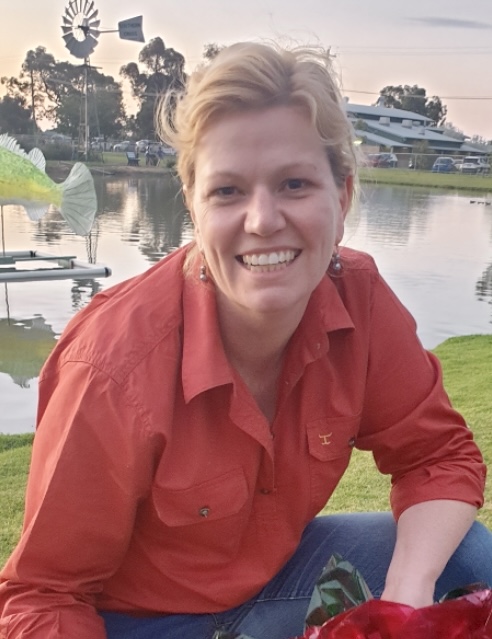
Hay Plains Landcare is very please to announce that Jenny Dwyer has joined the Hay Landcare Team. She grew up on farms around Hay and although beginning her career in the health industry she has always had ties to the land, a strong community focus and an understanding of the importance of natural resource management.
Jenny is the Hay Plains Landcare Project Officer for the ‘Restoring native species and rehabilitating ecosystems in the Hay Shire’ Project.
 Hay Plains Landcare